How to Find a Water Leak
If you want to know how to find a water leak, the water meter is where the hunt begins, because it records every drop the property draws. A bill that jumps without explanation is often what starts the question. The checks below suit homes around Taigum, where reactive clay and a high water table give buried pipes a rough ride.
If we're late, $100 comes off your bill

- Licensed and InsuredEvery job done by a licensed plumber. QBCC No: 15024607
- Fixed Quote FirstFlat-rate pricing, agreed before any work starts
- Lifetime Labour WarrantyBacked by our Fix-It-or-It's-Free guarantee (T&Cs apply)
- $0 Call-Out FeesNo extra charge for nights, weekends or public holidays

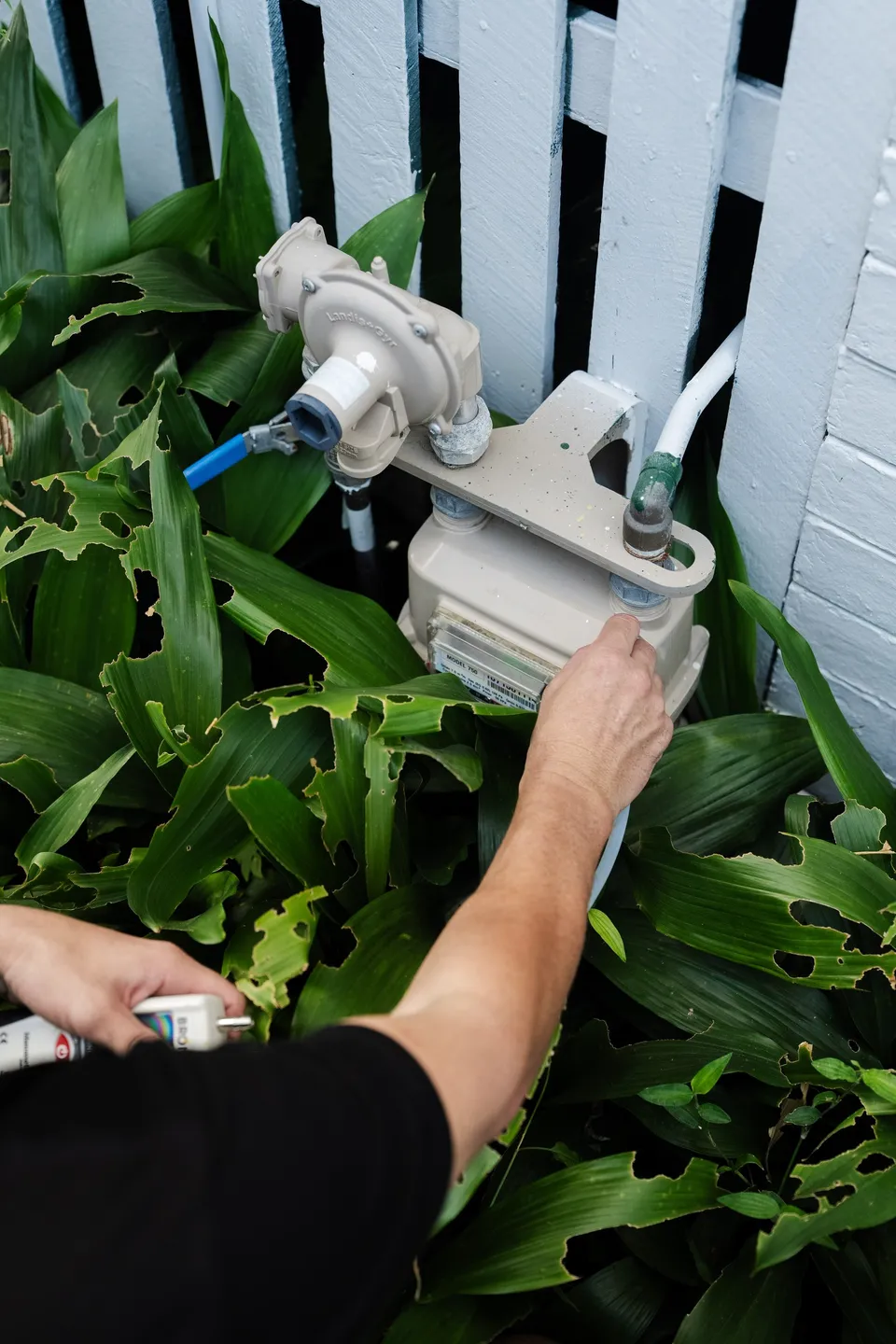
The meter sits below ground in a small box, usually out near the front boundary between the road and the fence. You need nothing more than a phone camera and some patience. Every repair that follows the hunt is done by a licensed plumber.

Does Your Meter Move With Everything Off
Turn off every tap and appliance, photograph the meter reading, wait at least one hour with no water use, then read the meter again. Movement means a leak. The meter only counts water drawn through it, so it cannot tick over on its own.
Follow the steps in order:
- Shut down every outlet that draws water: taps, the hose, irrigation, the dishwasher, the washing machine and a plumbed-in fridge.
- Photograph the dial and every digit, the red ones included, and keep the isolating tap at the meter turned on.
- Wait at least one hour with nothing in the place using water, such as a school day or overnight.
- Read the meter again. Any movement in the numbers or dial points to a leak on the property.
Urban Utilities runs a program that spots unusually high use and reaches out where possible, but the utility advises owners not to count on that alone.
Garden Taps, Tanks and Other Water Users
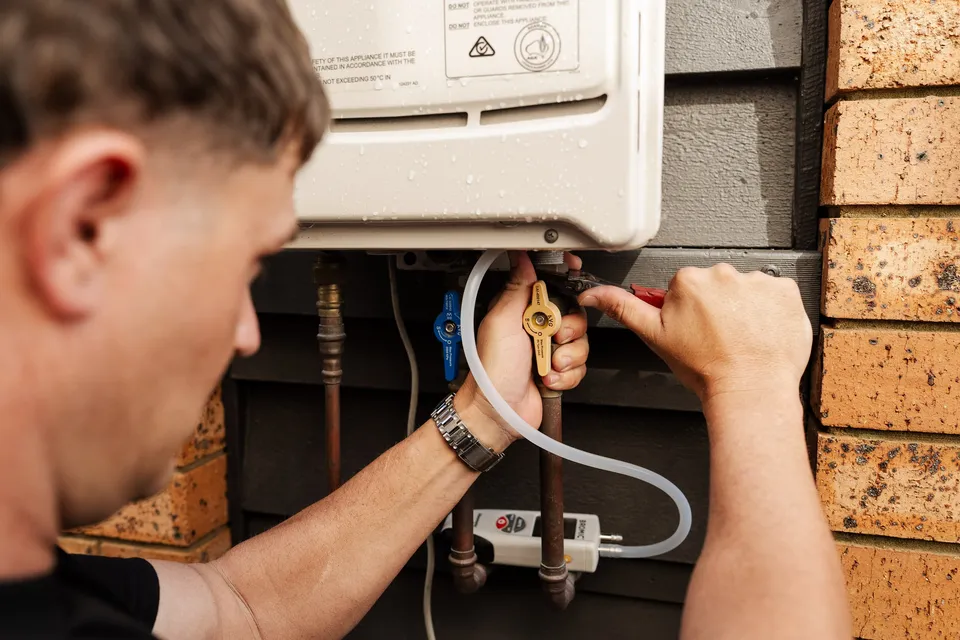
Outside, check the exterior taps, the rainwater tank and the ground itself. One slow drip at an outdoor tap can waste thousands of litres before a year is out, so the small stuff counts.
Check each of these:
Exterior taps and hose joins
run a hand over the tap head and each fitting for damp, and look for water marks on the wall or paving below.
A rainwater tank linked to town water
confirm the tank is not topping up by itself when it should be full. A failed solenoid or worn internal part can keep drawing mains water, and that is one for a licensed plumber.
The ground
soggy soil, a lawn patch greener and lusher than its neighbours, or uneven paving all suggest water escaping below the surface.
The creek-side lots complicate the last check, because ground near Cabbage Tree Creek holds moisture for days after a storm. The meter result settles the question when your eyes cannot.
If the place has a pool: the bucket test settles whether the pool itself leaks. Sit a bucket filled with pool water on a step, match the levels, and mark both. Come back a day later with no swimming in between; if the pool has dropped further than the bucket, the shell is losing water, not just evaporating.
Room by Room Inside the House
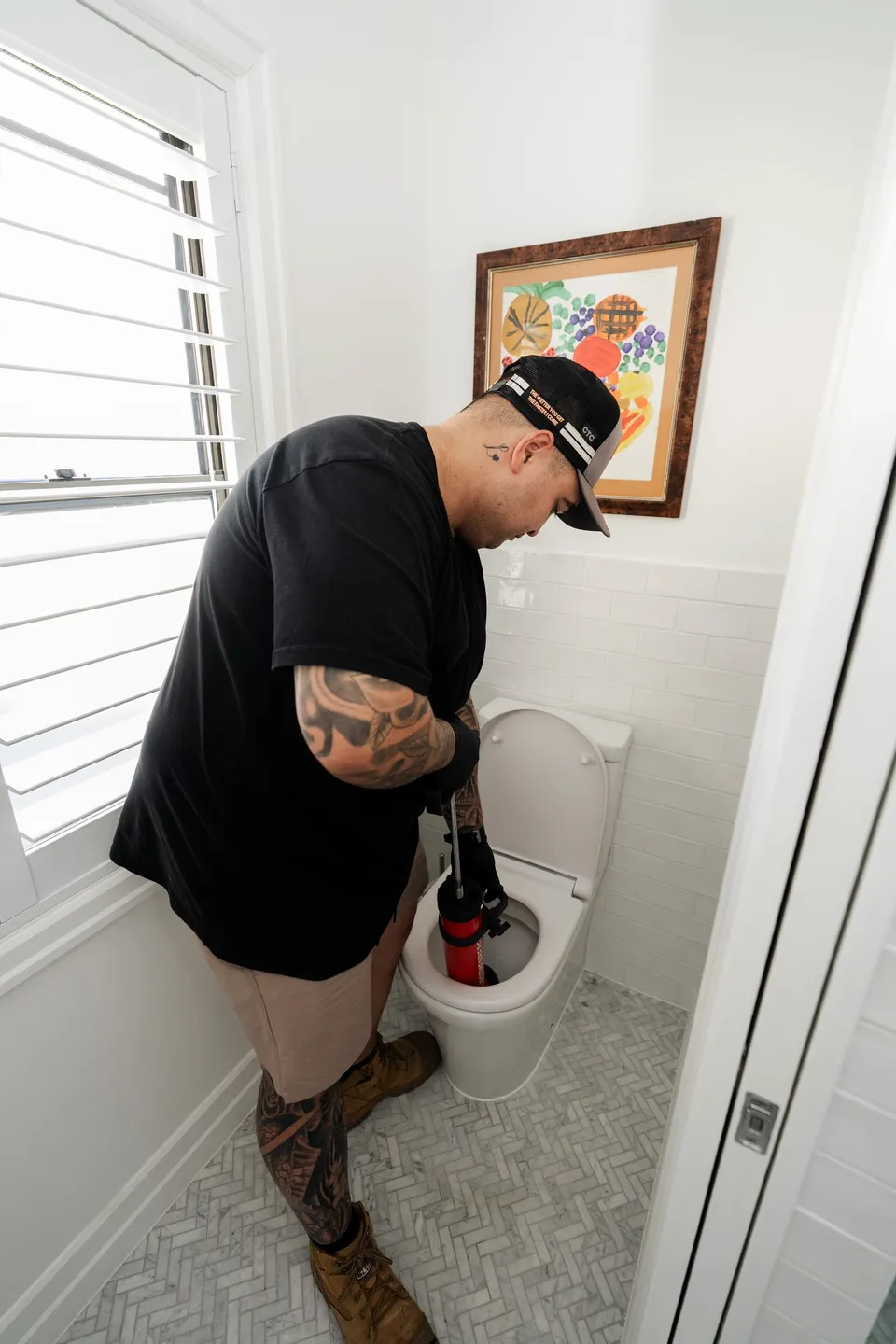
Indoors, work through toilet cisterns first, then taps and showers, plumbed-in appliances, and the surfaces last. Toilets leak silently and around the clock, so they come first.
Toilets
put a few drops of food colouring in the cistern, do not flush, and give it time to show. Colour in the bowl shows the cistern is passing water past the seal and into the pan. Flush afterwards; the dye will not mark ceramic.
Taps and showers
confirm each one shuts fully and leaves no drip, including the bath and the laundry.
Appliances
look under and behind the washing machine and dishwasher, and check around the fridge with a plumbed-in water line and the hot water system.
Surfaces
damp or stained walls and ceilings, a musty smell, finishes swelling or peeling, and a warm spot on the floor are the classic tells.
Taigum's townhouse rows were fitted out to one specification, so the same hoses and mixers fail at the same age across neighbouring units. A stain on a shared wall deserves a check on both sides of it.
What the Search Tells You
The search ends in one of three ways: a leak at a fixture, a concealed leak you cannot see, or a meter that stays still. Leaks of that hidden kind sit underground, under a driveway or inside a wall, and they can run for weeks before a big bill or visible damage appears.
Everything from the meter inwards belongs to you as the owner, and that includes the hidden runs. Urban Utilities maintains the public mains beyond it.
Fixing a broken pipe falls under minor work, which is low-risk plumbing a licensee must carry out with no permit or Form 4. The QBCC lets a capable owner renew a washer inside a tap or the washers in a cistern, and nothing more than that.
When to Call a Plumber
Call once the meter keeps shifting and your search has found nothing, or right away if damp plaster, a warm floor or a stained ceiling turns up. Reactive clay through Taigum swells and shrinks with the seasons, and that movement works pipe joints loose, so a leak left alone tends to grow.
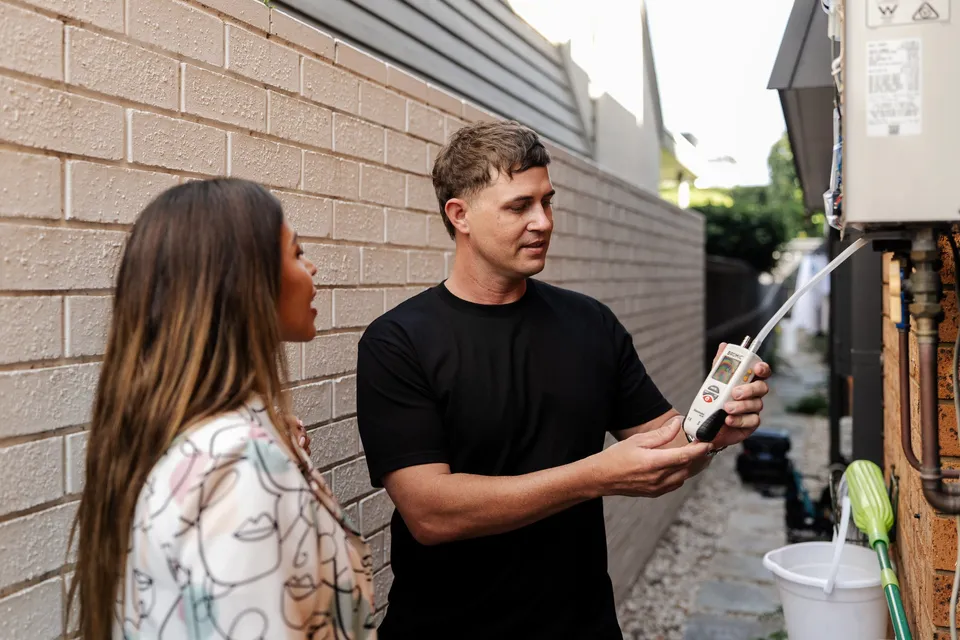
A licensed plumber narrows the hunt by isolating pipe sections, pressure testing, listening along the run and taking moisture readings before any concrete comes up. To see how that side of the job works, including which side of the meter the problem sits on, read our leak detection page.
Hidden Leak Questions
Call (07) 3523 7121What is the easiest way to find a water leak myself?
Begin at the meter with every outlet off, photograph the reading and check it again after the wait. Then work through the toilets, taps, showers and appliances inside, and the taps, tank and lawn outside. A licensed plumber handles whatever the hunt cannot find.
How long should I leave the meter before reading it again?
Wait at least one hour, and overnight is even better. The wait only counts while nothing in the place uses water. Any shift in the numbers or the dial over that time means a leak.
Can a leak hide under the slab of a Taigum house?
Yes, it can. Concealed leaks can sit under a slab, a driveway or a wall cavity, and plenty of Taigum homes date from the 1980s and 1990s slab era. Warm spots underfoot, damp carpet or a climbing bill are the usual tells, and a licensed plumber can pin the source down.
Who pays for a hidden leak in Taigum?
The property owner. Every pipe from the meter inwards is the owner's to look after, concealed leaks included, while Urban Utilities maintains the public mains and sewer.

Call Us About the LeakWe'll call you back.
Ring (07) 3523 7121 and tell us what's wrong. You get $0 call-out fees, a fixed quote before any work starts and same-day where we can, 7 days a week.
To claim your $0 call-out fee, call (07) 3523 7121 today.