Why Your Toilet Keeps Running
A cistern that never settles comes down to three faults: an inlet valve that fails to close, a perished flush valve seal, or a fill level above the overflow. When your toilet keeps running, it is nearly always one of those three, and you can pin the fault down without tools. This guide covers the signs, a colour test you can do tonight, and where Queensland law draws the line around home owner repairs.
If we're late, $100 comes off your bill

- Licensed and InsuredEvery job done by a licensed plumber. QBCC No: 15024607
- Fixed Quote FirstFlat-rate pricing, agreed before any work starts
- Lifetime Labour WarrantyBacked by our Fix-It-or-It's-Free guarantee (T&Cs apply)
- $0 Call-Out FeesNo extra charge for nights, weekends or public holidays
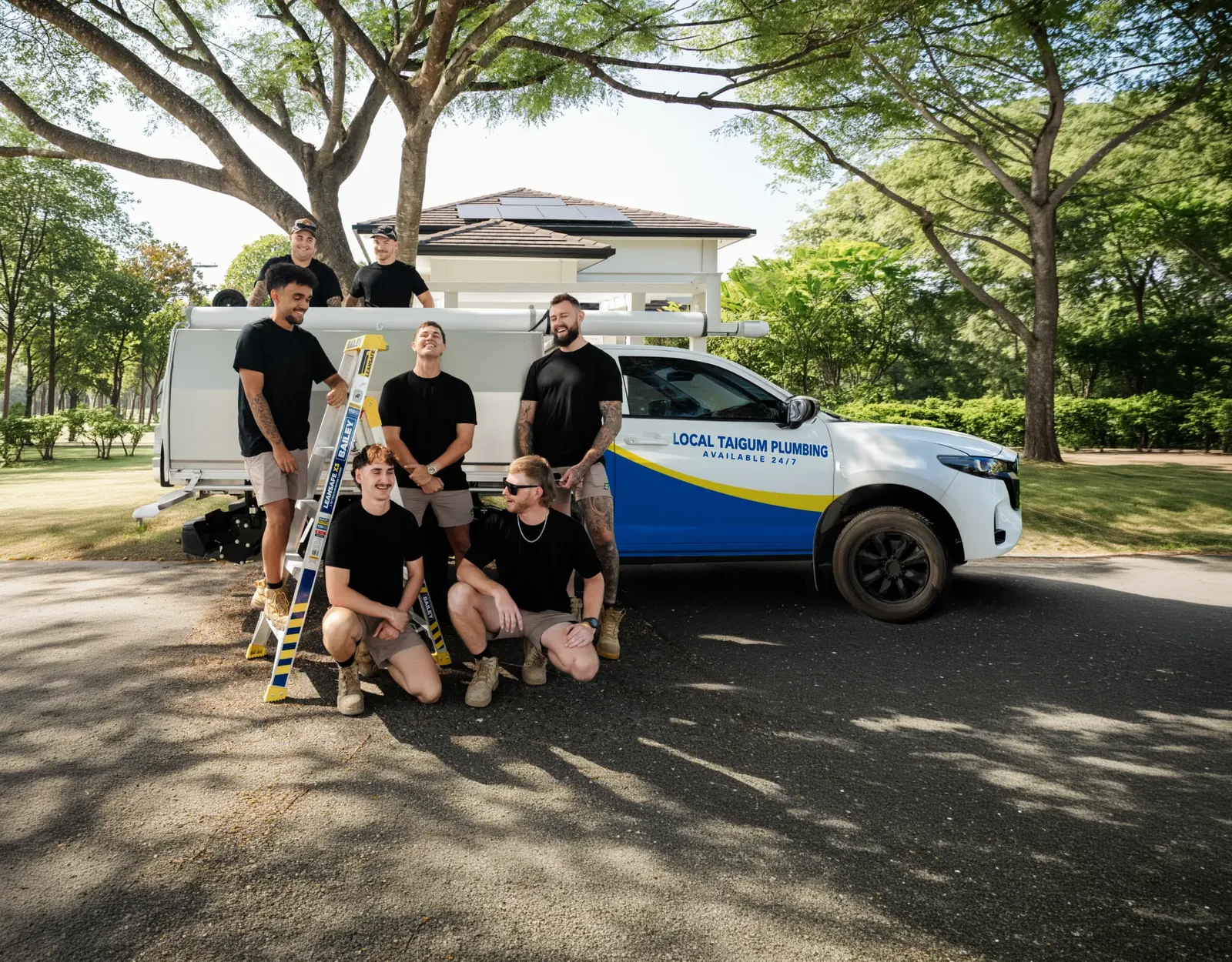
Housing here runs from the 1960s through to the 2000s, so cisterns range from tired originals to tired replacements, and every vintage wears its valves out. Beyond three small parts, each of these repairs belongs to a licensed plumber. For the full list of work we do across Taigum, the home page has it.
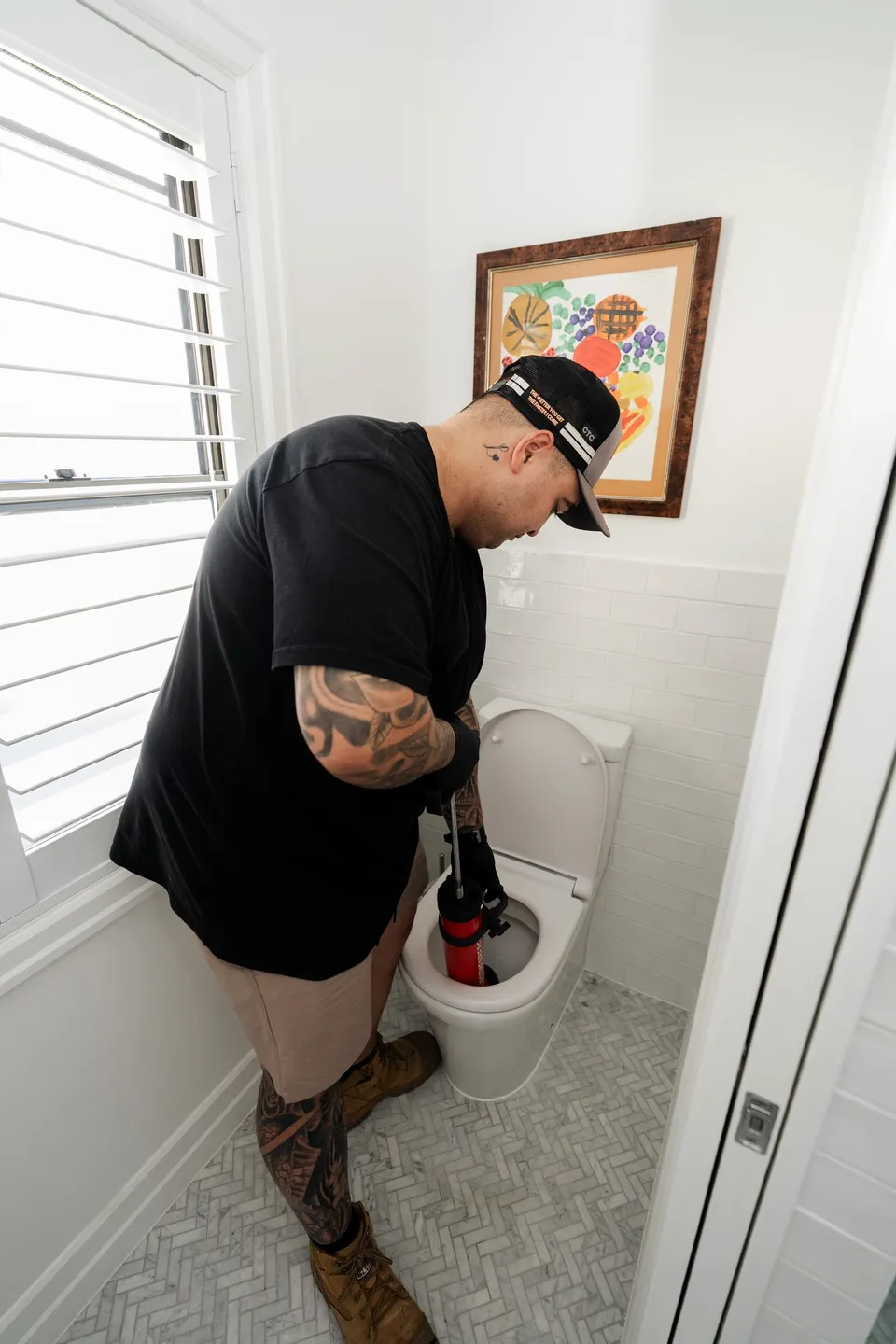
Why the Cistern Never Stops Filling
A cistern keeps filling for three reasons: an inlet valve that won't shut off, a flush valve seal leaking into the bowl, or a level running out through the overflow. Each one leaves its own clue.
A hiss or trickle continuing after the cistern has refilled
means the inlet valve is not closing.
A cistern topping itself up every few minutes with nobody flushing
, or a trickle down the back of the pan, means the flush valve's seal has perished.
Water escaping via the overflow
, including an outside overflow pipe dripping onto the garden, means the cistern is filling past its set level.
After a flush, the inlet valve brings the cistern back to its line and stops when the float gets there. The flush valve seals the outlet between flushes. When that seal perishes, water escapes, the inlet valve keeps topping up, and the loo runs.

When the Cistern Will Not Fill
A cistern that never fills usually comes down to a worn or partly blocked inlet valve, a float set low, or a stop tap that is not fully open. Check the stop tap first, because a quarter-turn short of fully open starves the cistern.
The float tells the inlet valve when to stop. A float set low calls a halt before the cistern is full, which looks much the same as having no supply at all.
One crossover case is worth knowing. If water runs but the cistern never fills, the flush valve seal may be letting water escape down the bowl as quickly as the supply brings it in.
The Dye Test for a Leaking Cistern
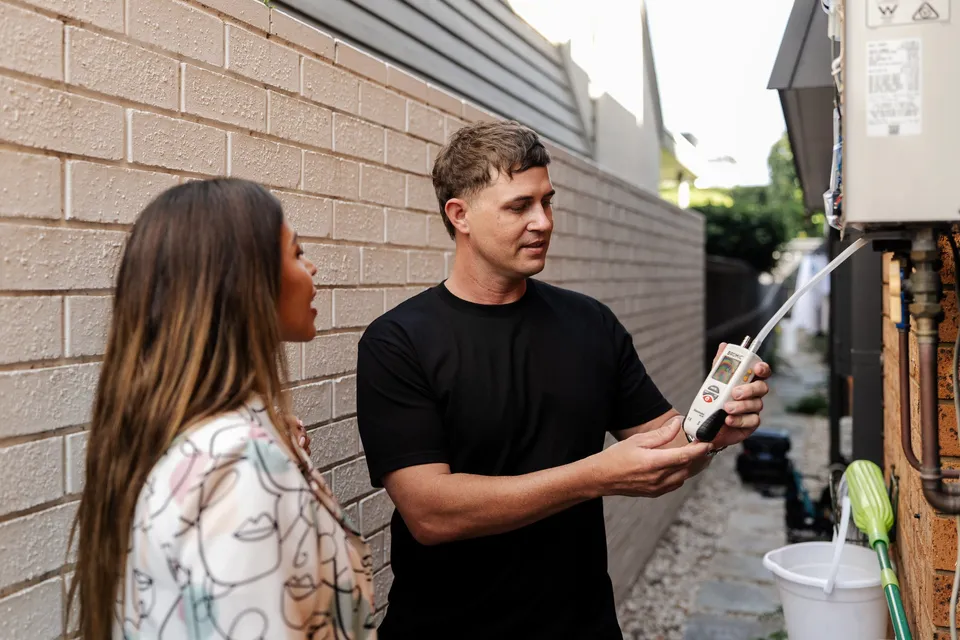
Add several drops of food colouring to the cistern water, do not flush, and check the bowl; colour appearing there means water is leaking from the cistern into the pan.
- Lift the lid and add the colouring to the cistern water.
- Do not flush, and give it time.
- Check the bowl. Colour in the bowl water means the flush valve has failed.
- Flush afterwards, because the colouring rinses away and leaves ceramic clean.
If the bowl water stays clear, the flush valve is sealing as it should, so look next at the inlet valve, then the fill level.
No colouring in the house? Press a few squares of dry toilet paper high on the rear wall of the pan, above the waterline. Paper that comes away damp means a trickle is running down the porcelain.
The QBCC List of Unregulated Cistern Work
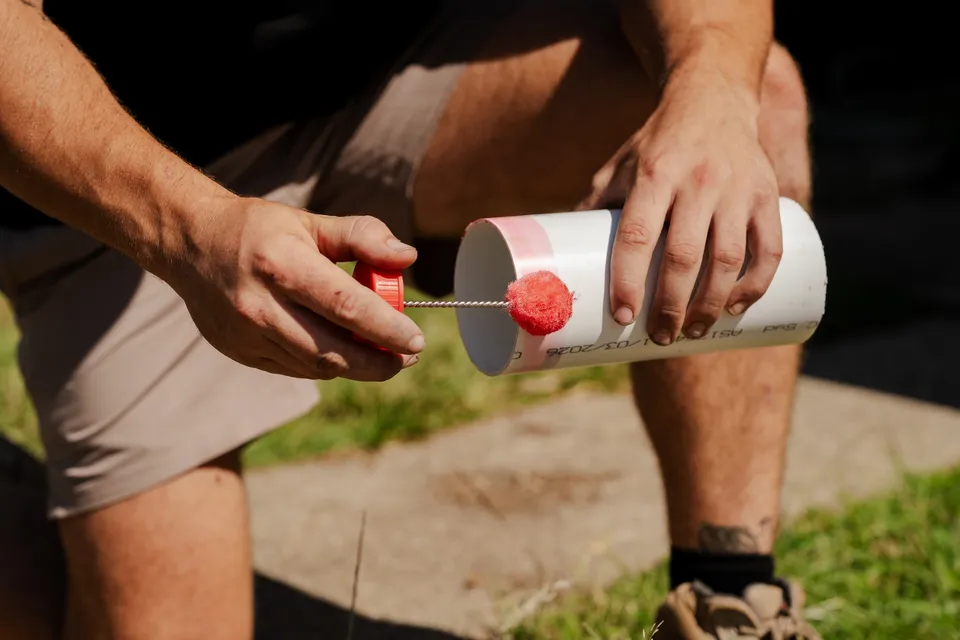
Queensland's regulator, the QBCC, sets aside three cistern parts as work anyone may do without a licence: the drop valve washer, the float valve washer and the suction cup rubber. Anyone who takes one on still has to produce work that complies with Queensland's plumbing standards.
Any other toilet repair counts as minor work, which a QBCC licensee carries out without a permit or a Form 4. In a rental, the Residential Tenancies Act puts the owner or manager in charge of repairs, and the tenant reports the fault promptly.

Who Pays for Water a Cistern Wastes
No, Urban Utilities' concealed leak adjustment excludes leaking cisterns, along with taps, hot water systems and other water appliances. The property owner is the one responsible for leaks and the losses they cause.
That matters for renting households, because usage charges climb fast while a cistern runs. Reporting the fault early protects the bill as much as the fitting.
When to Call a Plumber About It
Call when the dye test comes back clean but the hiss continues, when the cistern will not fill at all, or when the fault sits beyond the three unregulated parts. Tenants report the fault rather than repair anything themselves.
The full repair job, from diagnosing the valve to testing the flush, is covered by toilet repairs in Taigum.
Running Toilet Questions
Call (07) 3523 7121Can I fix a running toilet myself in Taigum?
Yes, for three cistern parts only: the drop valve washer, the float valve washer and the suction cup rubber. The QBCC classes these as unregulated work, though the finished job still has to comply with the standards. Every other toilet repair needs a licensed plumber.
Will Urban Utilities pay for the water my running toilet wastes?
No, the utility's concealed leak adjustment excludes leaking cisterns, along with taps and hot water systems. The property owner is the one responsible for leaks and the water they waste.
What does it cost to fix a running toilet in Taigum?
Two things drive the price: which part has failed, and how easy the cistern and stop tap are to reach. A cistern tucked behind a townhouse vanity takes longer than one in the open. You see a fixed quote before any work starts.
Who fixes a running toilet in a rental?
The Residential Tenancies Act requires the owner or manager to keep the place in good repair, and the tenant reports the fault promptly. A cistern that keeps running is not listed as an emergency, so the repair counts as routine and is due within a reasonable time. A toilet that is blocked or stops working is an emergency.

Call Us About the Running LooWe'll call you back.
Ring (07) 3523 7121 and tell us what's wrong. You get $0 call-out fees, a fixed quote before any work starts and same-day where we can, 7 days a week.
To claim your $0 call-out fee, call (07) 3523 7121 today.